By Eric Davis | Last Updated: July 4, 2026 | How we put this guide together: we compare machine mechanics and published exercise research, and we read hundreds of owner and reader reports about what people actually stick with. No sponsored placements.
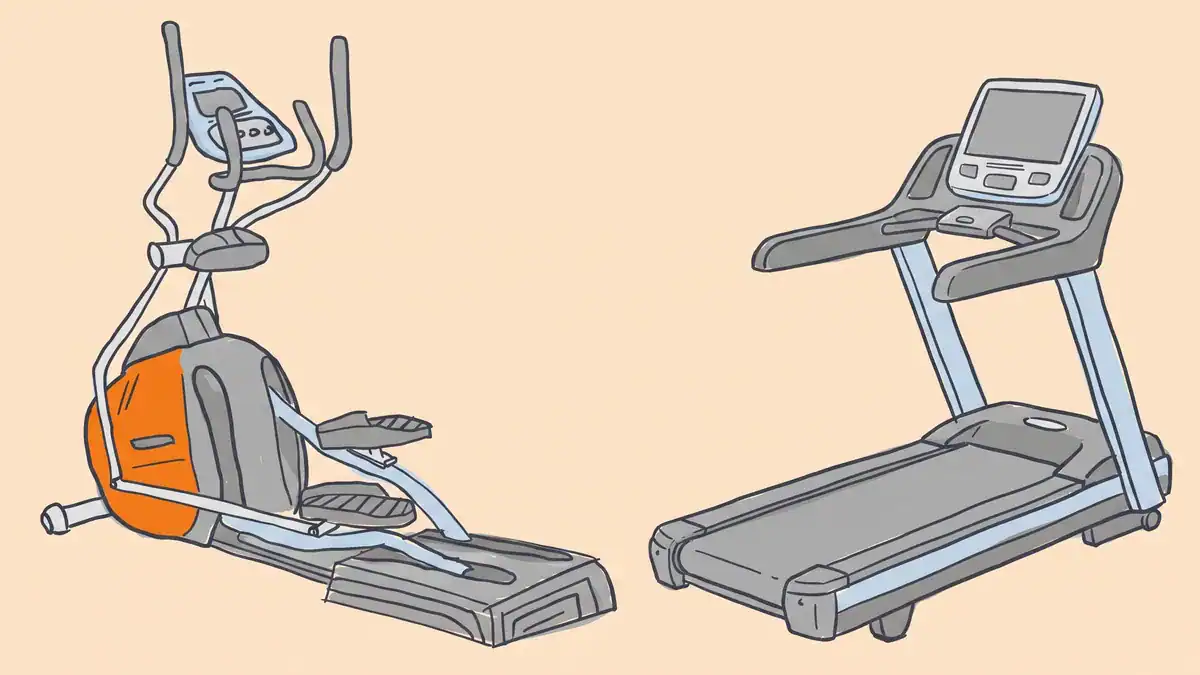
Picture the cardio row at any gym in January. Treadmills on one side, ellipticals on the other — and you, standing in the middle, wondering which one actually gets the weight off faster.
Here’s the short version:
- Pure calories per minute at equal effort: the treadmill has a slight edge — running carries your full body weight.
- Joint comfort, full-body work, and going longer: the elliptical wins, clearly.
- Weight loss over months, not minutes: the machine you’ll actually use four times a week wins. Every time.
Here’s how we’ll break it down.
Elliptical vs Treadmill: Which Burns More Calories?
At the same effort level, a treadmill run generally burns more calories per minute than an elliptical session, because running is fully weight-bearing — your legs lift and carry every pound of you with every stride. But the gap shrinks fast when you match intensity, and it can disappear entirely once resistance and incline come into play.
Research backs the “closer than you think” reading: a peer-reviewed comparison of treadmill and elliptical exercise found similar maximal fat oxidation rates across both machines. Translation: your body taps fat for fuel about as well on either one.
So why does the treadmill’s per-minute edge rarely decide the race? Because per-minute numbers assume you show up. That’s where the next section matters more than any calorie chart.
The Impact Difference (Why It Decides Everything)
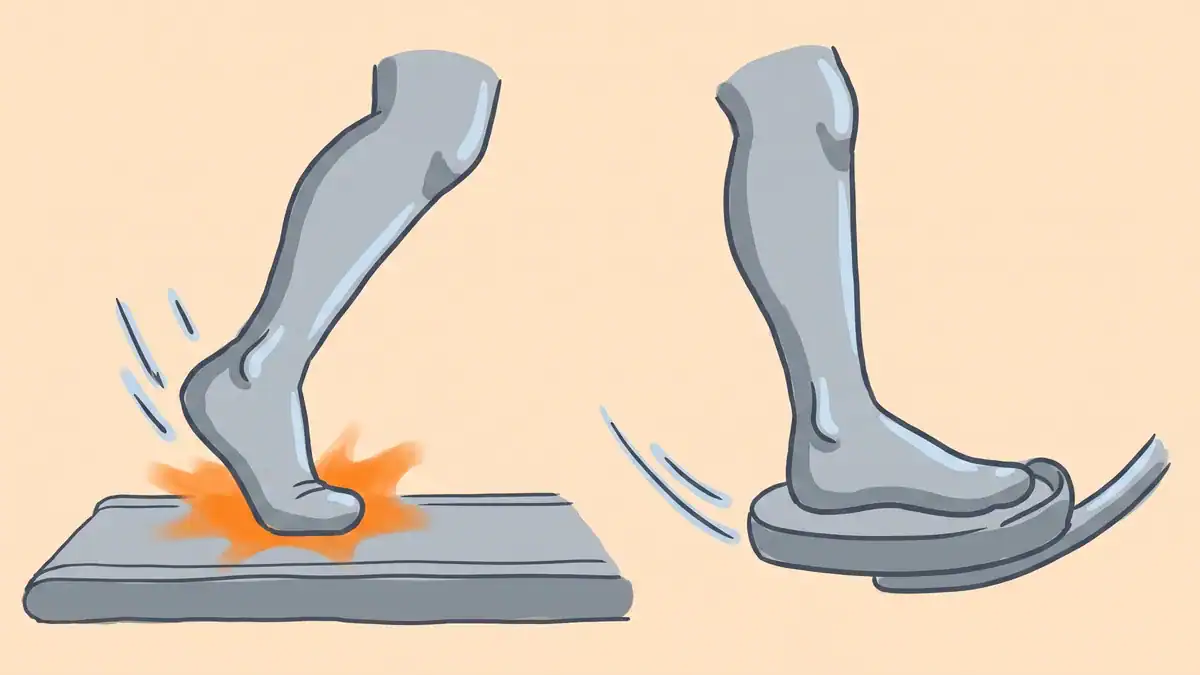
Every running stride slams your foot into the deck — and your ankles, knees, hips, and lower back absorb that force thousands of times per session. On an elliptical, your feet never leave the pedals. The motion glides; nothing strikes anything.
For weight loss, this is the quiet deal-breaker. Extra body weight multiplies impact forces, so the heavier you are, the more punishing running feels — right when you need cardio the most.
Sore knees skip workouts. Skipped workouts stall weight loss. It is that direct — and it is why we call the elliptical the low-impact solution for joint health.
Where the Elliptical Wins
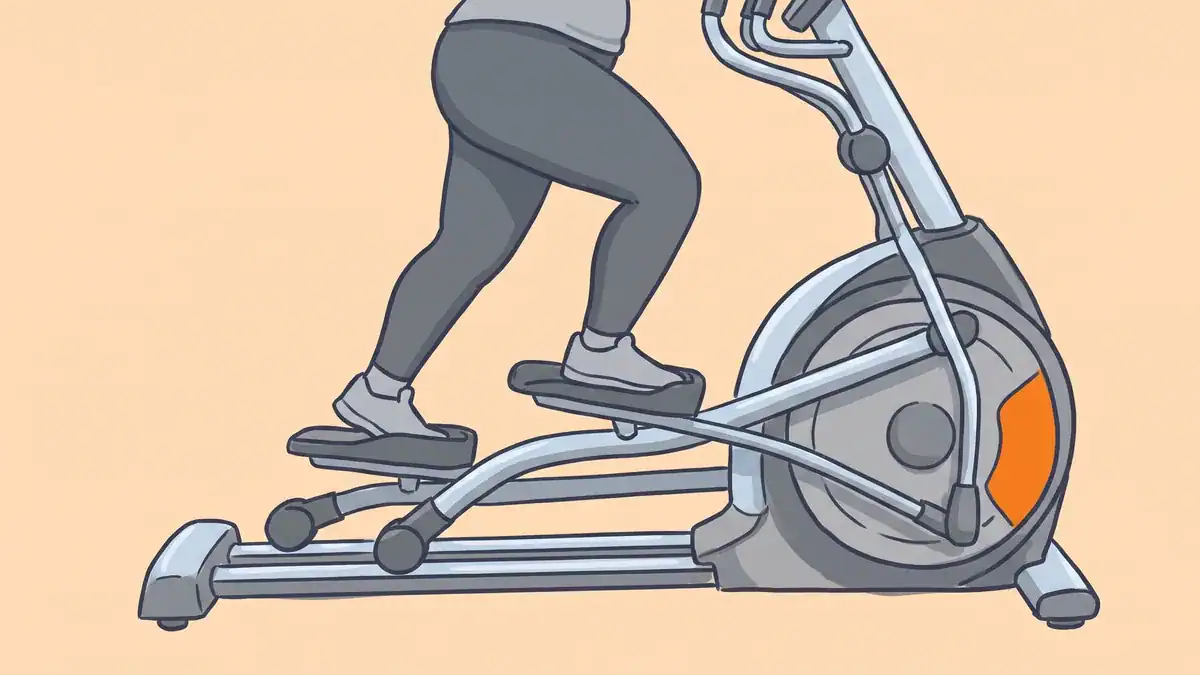
Your whole body works. The moving handles pull your chest, back, and arms into every stride — the elliptical works far more than your legs. More muscle in motion means more energy spent at the same perceived effort.
It feels easier than it is. Ask anyone who’s done both: 30 elliptical minutes feel friendlier than 30 running minutes, even at a similar heart rate. That lower perceived exertion is a weight-loss cheat code — you go longer, and you come back tomorrow.
You can do it every day. With no impact to recover from, daily sessions are realistic for most people. Daily beats brilliant-but-twice-a-month.
Where the Treadmill Wins
Peak burn ceiling. If you can run — and keep running injury-free — hard treadmill intervals torch calories at a rate the elliptical has to work harder to match.
Bone loading. Weight-bearing impact stresses bone in a good way, supporting bone density — something gliding motion doesn’t do as strongly.
Training for real running. If a 5K is on your goal list, nothing substitutes for running itself. (Though the outdoor question has its own answer — see our elliptical vs outdoor running comparison.)
Incline walking. The treadmill’s most underrated weight-loss mode: steep-incline walking burns seriously, with far less impact than running. If you love walking, it’s a legitimate strategy.
Side by Side: Elliptical vs Treadmill for Weight Loss
| Factor | Elliptical | Treadmill |
|---|---|---|
| Calories at equal effort | High | Slightly higher (running) |
| Joint impact | Minimal — feet never leave pedals | High when running, moderate walking |
| Muscles worked | Legs, glutes, core + arms and back via handles | Legs, glutes, core |
| Perceived effort | Feels easier — sessions run longer | Feels harder at the same burn |
| Injury risk | Very low | Higher (impact-related) |
| Daily use realistic? | Yes, for most people | Depends on joints and recovery |
| Best for | Consistent fat loss, joint-friendly cardio, full-body work | Peak calorie burn, run training, incline walking |
The Real Answer: Consistency Beats Calories
Weight loss is a months-long game of showing up. The research says both machines burn fat well. The calorie charts say the treadmill edges ahead per minute. And none of that matters if week three ends with aching knees and a dusty machine.
Pick the machine that fits your body today — not the one that fits the athlete you’re planning to become. For most people carrying extra weight, with any joint history, or coming back after years away, that’s the elliptical. Our elliptical buyer’s guide walks you through choosing one; if standing cardio itself is the obstacle, a seated elliptical removes even that barrier.
Frequently Asked Questions
Is 30 minutes on the elliptical better than walking on a treadmill?
Usually, yes — 30 elliptical minutes with the handles engaged works more muscle than flat treadmill walking, at similar or better calorie burn and with less impact. Steep incline walking closes the gap, though. The honest tiebreaker: whichever one you’ll do more often.
Is an elliptical or treadmill better for belly fat?
Neither targets belly fat specifically — no machine does. Spot reduction is a myth. Fat loss comes from a consistent calorie deficit, and belly fat leaves on its own schedule. Both machines create that deficit; choose the one you’ll use most and pair it with your diet.
Is 3 miles on the elliptical the same as running 3 miles?
No. Elliptical “miles” are estimates of pedal revolutions, not true distance, and gliding costs less energy than carrying your body weight over ground. Compare workouts by time and effort — heart rate or how hard you’re breathing — instead of miles.
Is 20 minutes of elliptical a day enough to lose weight?
It’s a genuinely useful start — 20 daily minutes beats zero and builds the habit that everything else depends on. For meaningful weight loss, pair it with a calorie deficit and aim to grow toward 150+ minutes of moderate cardio per week, the widely used guideline for health benefits.
Final Verdict
Treadmill for peak burn — if your joints can cash the check. Elliptical for the burn you’ll actually collect, week after week.
So here’s the only question that matters: six months from now, which machine do you honestly see yourself still using? Answer that, and you’ve answered everything. Your first workout is waiting.
EllipticalHub is an Amazon Associates affiliate site — we may earn a commission on qualifying purchases at no extra cost to you. Our recommendations are based on independent research and published exercise science, cited where used.