
By Eric Davis | Last Updated: July 4, 2026 | How we put this guide together: we compare manufacturer spec sheets line by line, read hundreds of verified owner reports for every machine we recommend, and lean on physical-therapy guidance for the joint-health side. No sponsored placements.
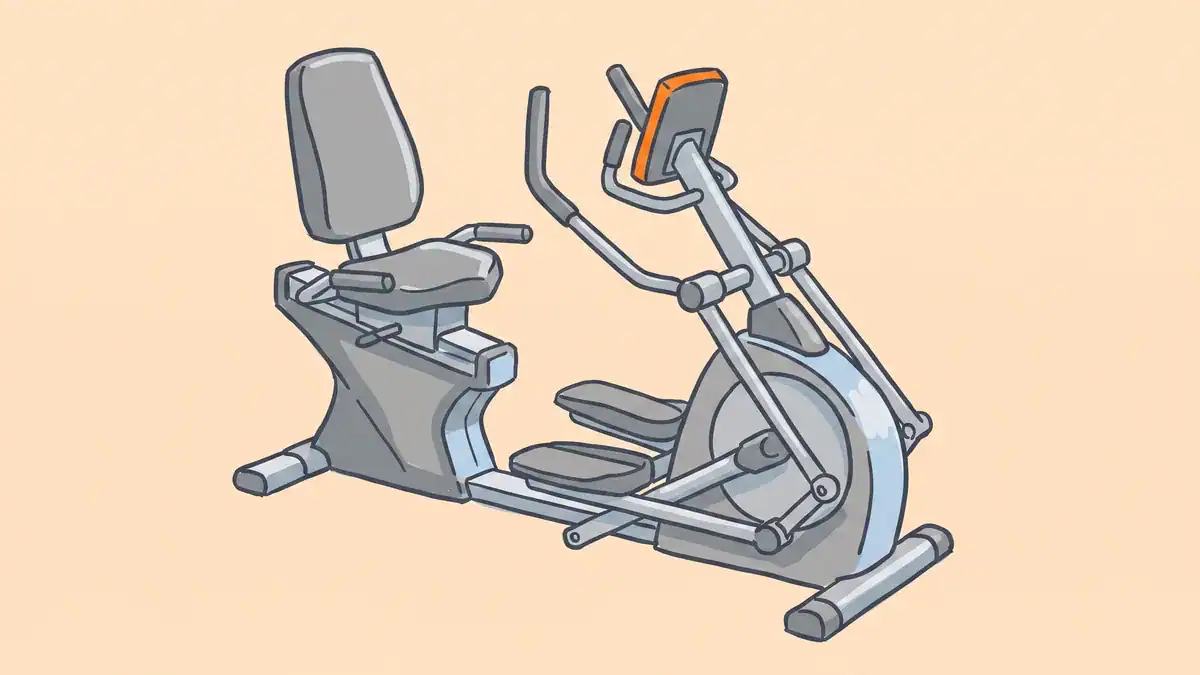
Do your knees complain on every walk? Does the idea of balancing on a standing elliptical make you nervous? Or maybe you’re coming back from surgery and “low-impact” suddenly isn’t optional anymore?
That’s exactly what a recumbent elliptical is for.
Quick answer: the Teeter FreeStep is the best recumbent elliptical for most people with knee, hip, or back concerns. It’s smooth, genuinely zero-impact, and owners rave about how easy it is on sore joints. If you want a rehab-clinic machine at home and budget isn’t the issue, the NuStep T4r is the gold standard.
So let’s get you an answer.
Best Recumbent Ellipticals at a Glance
| Machine | Type | Best for | Standout |
|---|---|---|---|
| Teeter FreeStep | Seated cross trainer | Bad knees, everyday low-impact cardio | Zero-impact linear stride, whisper quiet |
| NuStep T4r | Rehab-grade cross trainer | Post-surgery rehab, limited mobility, seniors | Walk-through frame, clinic pedigree |
| Sunny Elite Recumbent | Seated cross trainer + arm handles | Full-body seated workouts | Upper-body cranks with adjustable resistance |
| ProForm Hybrid Trainer | 2-in-1 recumbent bike / elliptical | Budget buyers who want options | Two machines in one footprint |
| Sunny Motorized Under-Desk | Seated pedal unit | Simple seated pedaling on a budget | Compact, no-frills, easy to get on |
What Is a Recumbent Elliptical?
A recumbent elliptical — also called a seated elliptical or recumbent cross trainer — is a cardio machine you pedal from a supported, chair-style seat. Your feet drive an elliptical motion out front while the backrest carries your weight, so your knees, hips, and lower back absorb almost no impact.
Think of it as the middle ground between a recumbent bike and a standing elliptical. You keep the smooth, gliding stride — you just do it sitting down.
Most models add moving handles or arm cranks, so you can work your upper body at the same time. That’s the “cross trainer” part.
Are Recumbent Ellipticals Good? (Honest Answer)
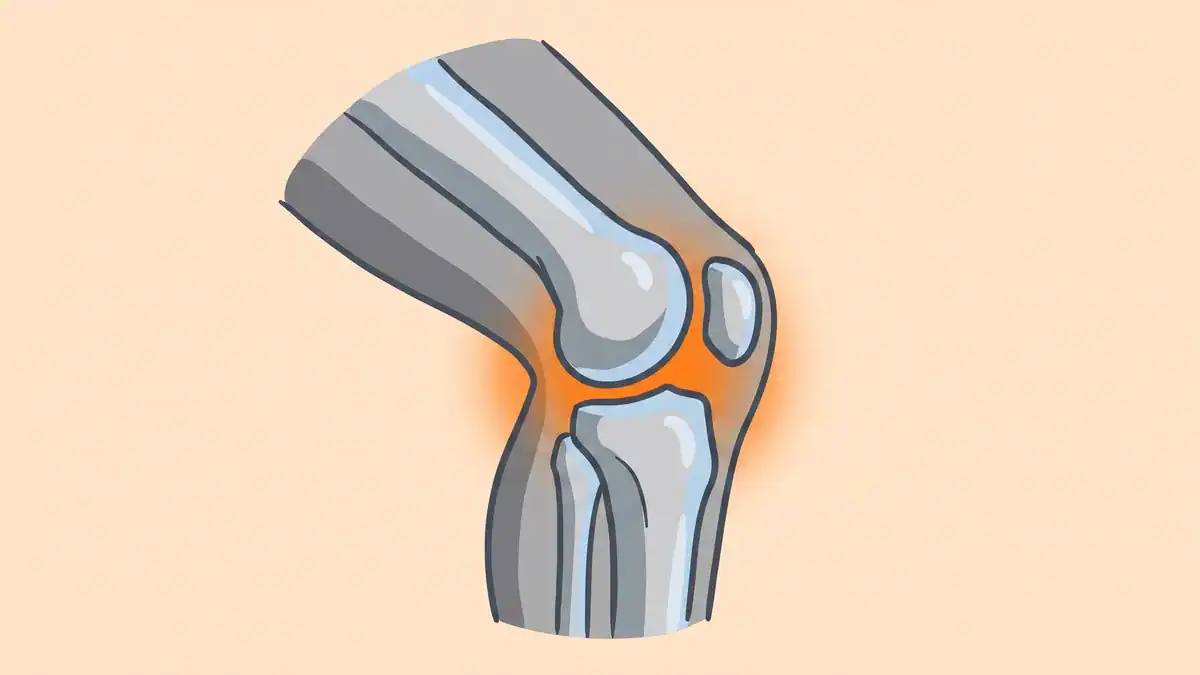
For the right person, they’re excellent. Here’s who genuinely benefits:
Anyone with knee or hip pain. Because the seat supports your body weight, the joint loading is a fraction of what walking — let alone running — puts through your knees. You get real cardio without the ache afterward.
Anyone with balance concerns. There is nothing to fall off. You sit down, you pedal. For seniors, that alone is often the deciding factor — it is why we recommend seated options so often in our best ellipticals for seniors guide.
Anyone in rehab. Physical therapy clinics are full of recumbent cross trainers for a reason: they let you rebuild strength and range of motion in a controlled, supported position. If your PT has cleared you for seated cardio, this is the machine category they usually mean.
Now the honest part: a seated elliptical burns fewer calories per session than a standing one, because your legs are not carrying your body weight. If weight loss is the main goal and your joints are healthy, a standing machine works harder for you. We break that down below.
The 5 Best Recumbent Ellipticals in 2026
EllipticalHub is reader-supported. If you buy through links on this page, we may earn a commission at no extra cost to you. Prices change often — always check the current price before buying.
1. Teeter FreeStep — Best for Most People

The FreeStep is the machine that made seated cross training popular for home use, and owner reports keep backing it up. The stride uses a linear, gliding path that keeps your knees behind your toes — the position physical therapists push for — so the motion feels natural instead of cramped.
It’s quiet enough for TV at normal volume, the step-on height is low, and the push-pull handles give your chest, back, and arms something to do while your legs work.
Pros: genuinely zero-impact stride, very quiet, comfortable upright seat with backrest, whole-body workout from a seated position
Cons: resistance tops out too early for strong athletes, console is basic — this is a health machine, not a tech showcase
Our take: if bad knees, a cranky back, or balance worries are what brought you here, start with the FreeStep. It’s the best blend of joint protection, comfort, and price in the category.
2. NuStep T4r — Best Rehab-Grade Machine
Walk into a cardiac rehab unit or a physical therapy clinic and odds are you’ll see a NuStep. The T4r brings that same walk-through frame, swiveling seat, and step-style motion home. Getting on requires no leg lift at all — you swivel the seat, sit, and go.
It’s built for people recovering from surgery, living with arthritis, or managing limited mobility — and built to take years of daily use.
Pros: easiest machine to get on and off in this guide, clinic-proven design, extremely stable, works for a huge range of body types and abilities
Cons: rehab-grade pricing — this is a serious investment; the utilitarian look won’t win design awards
Our take: if a doctor or PT is involved in your fitness plan, the T4r is the machine to ask them about. For everyone else, the FreeStep covers the same ground for far less.
3. Sunny Health & Fitness Elite Recumbent Cross Trainer — Best Full-Body Seated Workout
About $683 · 4.4 stars · 662 ratings (verified July 2026)
Seated elliptical pedaling plus moving arm handles, from the budget category’s most established brand. Owners consistently highlight the smooth combined arm-and-leg motion and a seat comfortable enough for longer sessions — the full-body option that doesn’t need a therapy-clinic budget.
Pros: true arm-and-leg cross training from a seated position, established brand support, strong owner scores at meaningful volume
Cons: bigger footprint than a simple seated pedal unit; arm coordination takes a session or two to feel natural
Our take: the sweet spot between the FreeStep’s simplicity and the NuStep’s clinic pricing — full-body seated training with a real brand behind it.
Check Sunny Elite Recumbent on Amazon
4. ProForm Hybrid Trainer — Best Budget 2-in-1

The Hybrid Trainer is two machines sharing one frame: a recumbent bike and a standing elliptical. Pedal seated on the days your knees ask for mercy; stand and stride when you want the bigger burn.
It is not a true seated elliptical — in bike mode the motion is circular, not gliding — but for the price, no other machine in this guide gives you this much flexibility. We cover this category in depth in our elliptical bike combo guide.
Pros: two workout modes in one budget footprint, easy seat adjustments, good entry point for mixed households
Cons: compromises both modes a little — the elliptical stride is short and the seated mode is a bike, not a glide
Our take: the smart budget pick if you want options. If pure joint protection is the goal, the FreeStep’s gliding stride serves your knees better.
Availability note (July 2026): ProForm machines have largely left Amazon — see our ProForm buying reality guide or the current combo picks.
5. Sunny Motorized Under-Desk Elliptical — Best Simple Budget Option
About $120 · 4.4 stars · 13,000+ ratings (verified July 2026)
No console drama, no assembly marathon, no intimidation factor — a seated pedal unit that slides under any chair or desk, with motor assistance that starts the motion for you. For rehab users and anyone easing back into movement, that motor is the difference between planning to exercise and actually doing it.
Pros: lowest barrier to entry in this guide, motorized assist, huge verified review base, genuinely tiny
Cons: supplemental movement rather than a workout — pair it with walks or one of the machines above
Our take: buy it as a daily-movement machine, not a training machine, and you’ll be happy.
Check Sunny Under-Desk on Amazon
How to Choose a Seated Elliptical (5 Things That Matter)
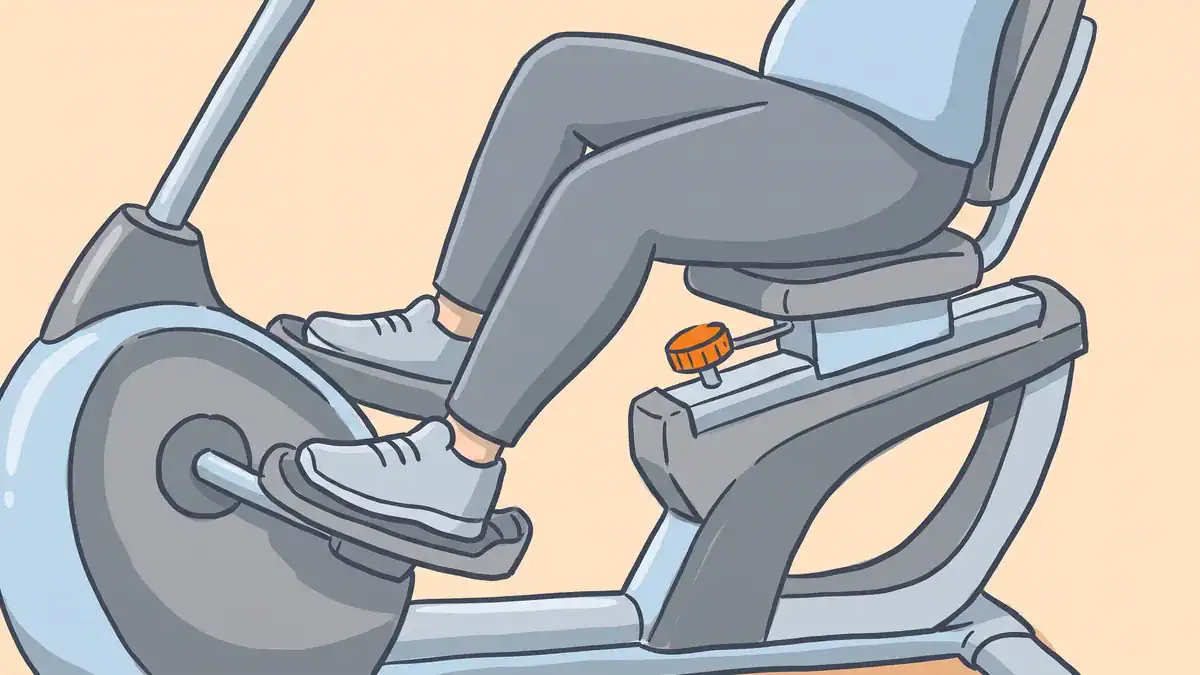
1. Step-through height. The whole point is easy access. Look for a low, open frame — and if mobility is limited, a swivel seat (like the NuStep’s) changes everything.
2. Seat comfort and adjustment. You’ll be sitting for every minute of every workout. The seat needs a supportive backrest and easy fore-aft adjustment so your knees stay comfortably bent, never locked out.
3. Stride feel. A true recumbent elliptical glides. Some budget “seated ellipticals” are really bikes with marketing attached. If knee comfort drove you here, the glide is what you’re paying for.
4. Moving handles. Push-pull handles or arm cranks turn leg day into a whole-body session and raise the calorie burn — worth having unless upper-body work is off the table for you.
5. Footprint and weight. Seated machines run long. Measure your space, and check the machine’s weight if it ever needs to move — some of these are not one-person furniture.
Recumbent vs. Standing Elliptical: Which Should You Buy?
| Factor | Recumbent (seated) | Standing elliptical |
|---|---|---|
| Joint impact | Lowest possible — seat carries your weight | Low, but legs bear full body weight |
| Balance required | Almost none | Moderate — you stand and glide |
| Calorie burn | Lower per session | Higher — more muscle working |
| Muscles worked | Legs + arms (with handles), less core | Legs, glutes, core, arms |
| Best for | Rehab, seniors, joint pain, balance concerns | General fitness, weight loss, healthy joints |
Simple rule: if pain, surgery recovery, or balance brought you here, go recumbent and don’t look back. If your joints are healthy and calories are the goal, a standing machine earns its keep — our bad-knees elliptical guide covers gentle standing options that split the difference.
Frequently Asked Questions
What is the best seated elliptical?
The Teeter FreeStep is the best seated elliptical for most home users — smooth, quiet, genuinely easy on the knees, and comfortable enough to use daily. For medical-grade rehab needs, the NuStep T4r is the machine clinics themselves choose.
Are recumbent ellipticals good for weight loss?
They help — any consistent cardio does — but they burn fewer calories than standing machines because the seat carries your body weight. The honest framing: a recumbent elliptical is the best machine for people who otherwise couldn’t do cardio at all. Consistency beats intensity you can’t sustain.
Is a recumbent elliptical okay after a knee injury or with a torn meniscus?
Often, yes — seated, low-load pedaling is a staple of knee rehab. But this is a decision for your doctor or physical therapist, not a buying guide. Get cleared first, then choose the machine that matches the motion they recommend.
Does a recumbent elliptical strengthen your hamstrings?
It works them, along with your quads, calves, and glutes — the pedal stroke pulls as well as pushes. It won’t replace strength training, but it keeps the whole lower body active without joint strain.
Can seniors use a recumbent elliptical every day?
Generally yes — the low impact makes daily use realistic for most healthy seniors, and the seated position removes the fall risk of standing machines. Start short, build gradually, and loop in a doctor if there’s a heart condition or recent surgery in the picture.
Final Verdict
If you remember one thing: the Teeter FreeStep is the machine we’d point most readers to, and the NuStep T4r is the splurge when rehab-grade access matters.
One honest caveat before you buy: if your knees are healthy and you’re mainly chasing calorie burn, a recumbent elliptical probably isn’t your machine — a standing elliptical will work harder for you. But if pain, recovery, or balance is the real obstacle, a seated elliptical isn’t a compromise. It’s the difference between exercising and not.
Your knees have carried you this far. This is how you return the favor.
EllipticalHub is an Amazon Associates affiliate site — we may earn a commission on qualifying purchases at no extra cost to you. Our recommendations are based on independent research, spec verification, and analysis of verified owner reports.
Choosing a machine? Start with our home elliptical buyer’s guide.


![Best Elliptical Bike Combo Machines for Home Gyms [2026]](https://www.ellipticalhub.com/wp-content/uploads/2021/06/elliptical-bike-combo-336x220.jpg)

![Best Ellipticals for Heavy People: High Weight Capacity Models for Safe Workouts [2026]](https://www.ellipticalhub.com/wp-content/uploads/2021/11/elliptical-for-heavy-person-336x220.jpg)


