
By Eric Davis | Last Updated: July 5, 2026 | Every pick below was verified in stock this week with live pricing and owner-review data. Two previous recommendations (Schwinn 470, ProForm Carbon EL) were removed in this update — both have effectively left the market. Always clear new exercise with your doctor first. No sponsored placements.
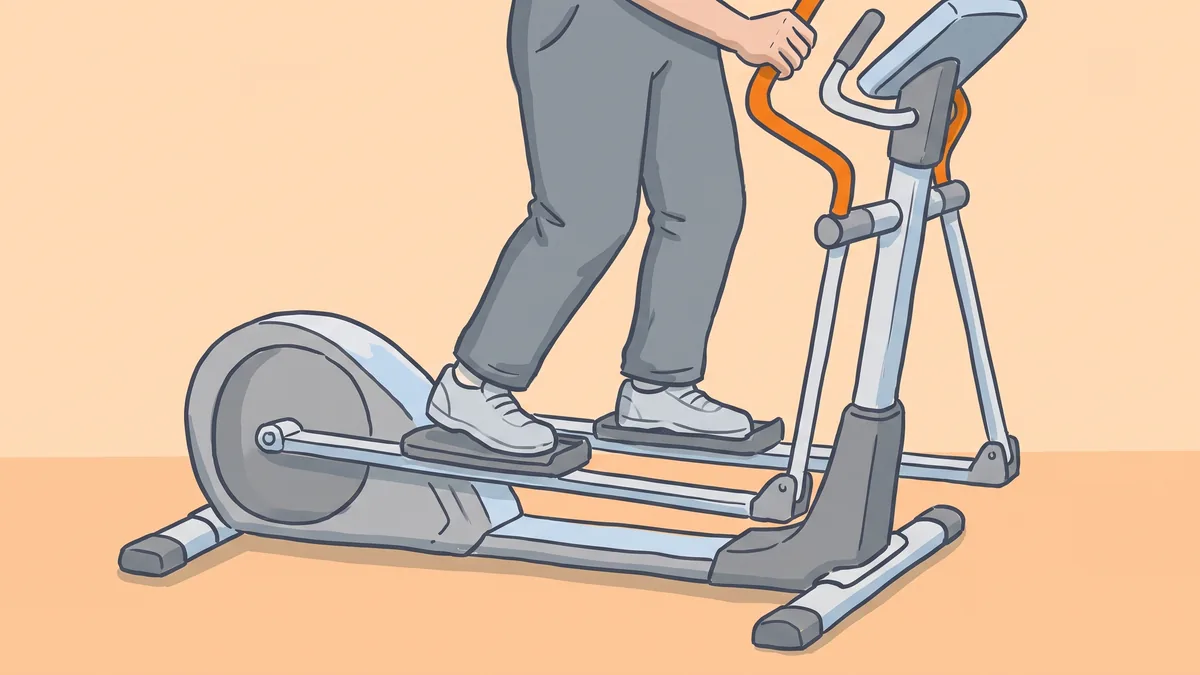
The right elliptical for a senior isn’t about resistance levels or app features. It’s about three quieter questions: How low is the step-up? How stable does it feel at 6 AM? And is there always something solid to hold?
Quick answer: the Teeter FreeStep LT3 (about $999) is the best elliptical for most seniors — fully seated, zero balance demand, and the easiest machine to get on and off that we cover. For seniors who prefer standing cardio, the Sole E25 (about $1,199) pairs a rock-stable frame with joint-friendly pedals.
Machine picks below; if you already own one, our elliptical workouts for seniors guide covers safe setup and starter routines.
Best Ellipticals for Seniors at a Glance
| Machine | Price* | Rating | Why seniors pick it |
|---|---|---|---|
| Teeter FreeStep LT3 | $999 | 4.6 (985) | Best overall — seated, zero balance risk |
| Sole E25 | $1,199.99 | 4.2 (899) | Best standing — heavy stable frame, PT-designed pedals |
| Niceday Elliptical | $599.99 | 4.4 (2,943) | Best mid-price — low step-up, compact |
| Sunny Smart Upright | $296.59 | 4.1 (20,005) | Best budget — pulse grips, proven support |
| Teeter FreeStep LT1 | $829 | 4.5 (1,900) | Seated value — same idea, simpler trim |
*Prices verified July 5, 2026 via live listing data; check current price before buying.
The 5 Best Ellipticals for Seniors
1. Teeter FreeStep LT3 — Best Overall for Seniors
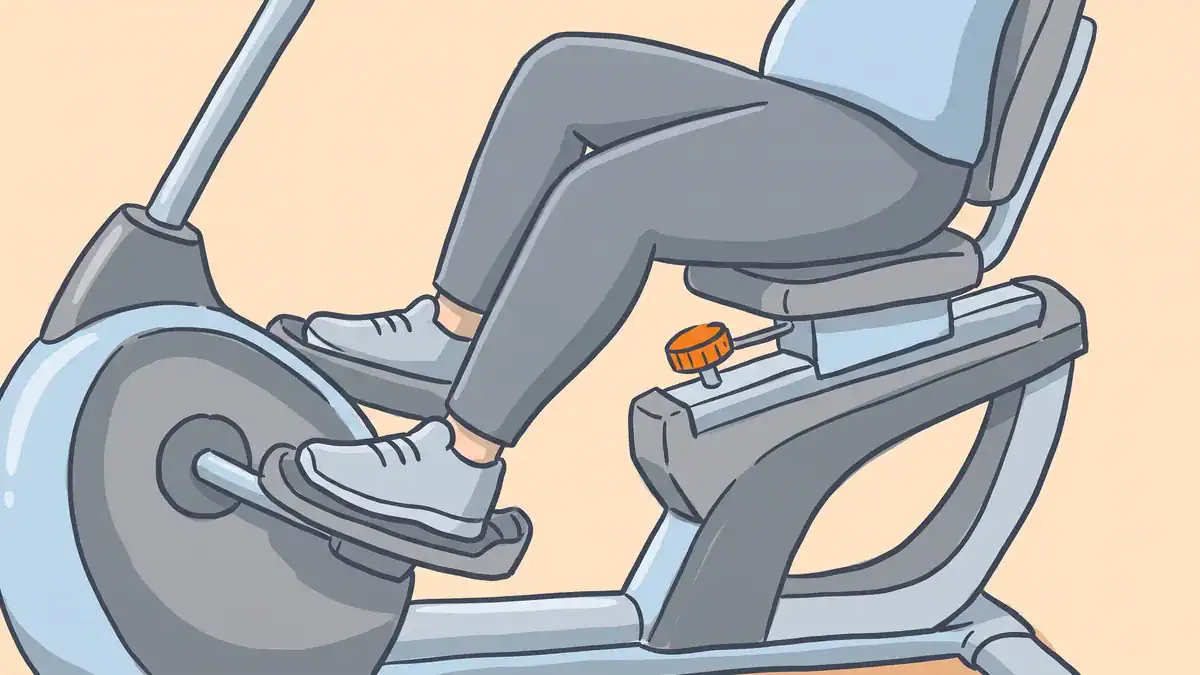
The FreeStep removes the two things that make seniors hesitate: the step-up and the balance demand. You sit in a supportive chair, feet on gliding pedals, hands on push-pull handles — zero-impact cardio with nothing to fall from.
Nearly a thousand owners rate the LT3 at 4.6, and the recurring theme in reviews is exactly the one that matters here: people with knee replacements, arthritis, and balance concerns using it daily, pain-free.
Worth knowing: seated cardio burns less per minute than standing — the trade for total security. Our seated elliptical guide compares the whole category.
2. Sole E25 — Best Standing Elliptical for Seniors
For seniors who want real striding cardio, the E25’s case is simple: a 200-plus-pound frame that doesn’t wobble, pedals designed with physical-therapist input for joint comfort, and Sole’s lifetime frame warranty. It’s the entry point to a lineup we’ve covered end to end in our Sole buyer’s guide.
Worth knowing: premium price, bigger footprint, and a step-up height that’s manageable but real — use the stationary handles when mounting, always.
3. Niceday Elliptical — Best Mid-Price Pick
Compact, quiet, and stable well beyond its size, with a low step-on height that older owners call out by name in reviews. Nearly 3,000 ratings at 4.4 make it the most-validated machine under $600 we recommend for this audience.
Worth knowing: moderate stride length — comfortable for most, snug for the very tall (our stride guide explains the cutoffs).
4. Sunny Smart Upright — Best Budget Senior Pick
Under $300 with built-in pulse sensors, gentle magnetic resistance that starts genuinely easy, and the category’s biggest track record. If the budget is the boundary, this is the safe way inside it.
Worth knowing: lighter frame than the Sole — fine for steady use, less planted for vigorous sessions. Compact stride.
5. Teeter FreeStep LT1 — Seated Value Alternative
Same core FreeStep design as the LT3 — seated, zero-impact, walk-through frame — in the earlier, simpler trim at a friendlier price. With 1,900 ratings at 4.5, it’s the proven budget door into seated cross training.
Worth knowing: firmer seat and fewer refinements than the LT3; many owners add the gel seat cushion and call it perfect.
What Makes an Elliptical Senior-Friendly (The 5 Checks)
1. Step-up height. The lower the pedals sit, the safer every mount and dismount. Recumbent designs win outright; among standing machines, look for pedals that sit close to the floor at their lowest point.
2. Something solid to hold. Stationary handles (not just the moving ones) are non-negotiable — they’re what you grip while getting on, off, and steady.
3. Frame weight = stability. Heavier machines plant better. A frame that doesn’t shift under a careful mount is worth more than any console feature.
4. Resistance that starts truly easy. Level 1 should feel like a gentle walk. Magnetic resistance (every pick above) starts gentler and runs quieter than older friction systems.
5. Simple controls. Big buttons, readable numbers, no menu mazes. The best console is the one that never interrupts the workout.
Frequently Asked Questions
Is an elliptical safe for seniors with a knee replacement?
Often yes — the gliding, zero-impact motion is a rehab staple after knee replacement. But the green light must come from your surgeon or physical therapist, not a buying guide. Seated models like the FreeStep are usually the gentlest starting point they’ll approve.
Should seniors use a recumbent or upright elliptical?
Recumbent (seated) if balance, mounting, or fatigue are concerns — it removes all three. Upright if you’re steady on your feet and want the bigger calorie burn and bone-loading of standing exercise. Plenty of seniors start seated and add standing sessions later.
How often should a senior use an elliptical?
Start with 10-minute sessions three times a week and build gradually toward the widely used guideline of 150 moderate minutes per week. The talk test keeps intensity honest: you should be able to hold a conversation, not sing one.
What stride length is best for seniors?
Shorter, controlled strides — roughly 14″–18″ — suit most older users better than the long 20″ strides on athlete-oriented machines; they keep the motion compact and the balance demand low. Details in our stride length guide.
Final Verdict
The Teeter FreeStep LT3 is the machine we’d put in most seniors’ homes — the one that removes every reason to skip a session. The Sole E25 is the standing upgrade for the steady-footed; the Sunny keeps the door open under $300.
Whichever you choose, pair it with the routines in our senior workout guide, start at ten gentle minutes, and let consistency do what it does. Strong isn’t an age.
EllipticalHub is an Amazon Associates affiliate site — we may earn a commission on qualifying purchases at no extra cost to you. Prices verified July 5, 2026 and subject to change. This article is general information, not medical advice.
Choosing a machine? Start with our home elliptical buyer’s guide.


![Best Elliptical Bike Combo Machines for Home Gyms [2026]](https://www.ellipticalhub.com/wp-content/uploads/2021/06/elliptical-bike-combo-336x220.jpg)

![Best Ellipticals for Heavy People: High Weight Capacity Models for Safe Workouts [2026]](https://www.ellipticalhub.com/wp-content/uploads/2021/11/elliptical-for-heavy-person-336x220.jpg)


